

Receiving an eviction notice can be a daunting experience, but remember, you have rights and defenses under California law. Knowing your rights and the available defenses is essential for protecting yourself from wrongful eviction. In this guide, we’ll help you protect your rights by explaining some common defenses that can help you win your California eviction case.
Understanding California Eviction Notice Requirements
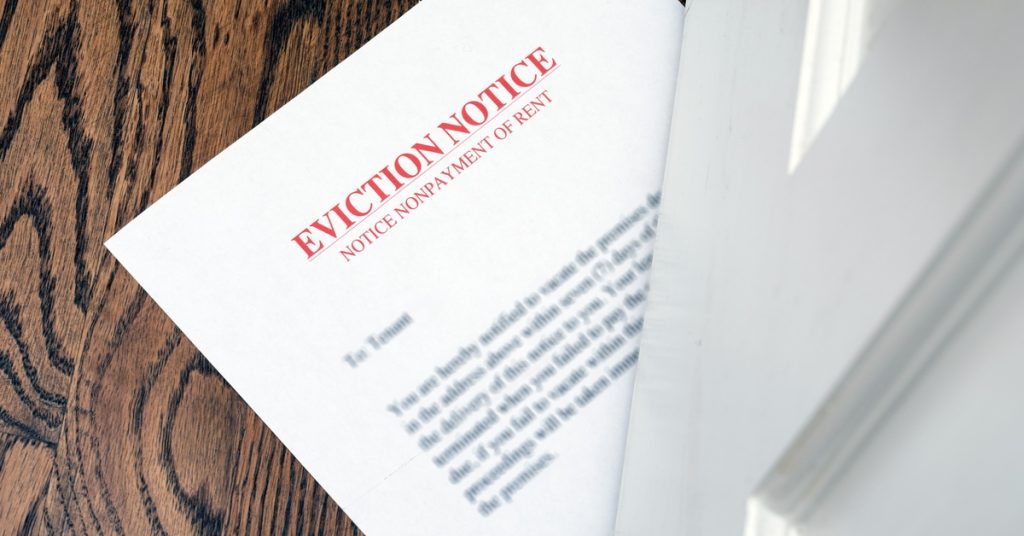
Before exploring specific defenses, you need to understand how California’s eviction process works. Your landlord cannot simply decide to evict you and file a lawsuit. They must follow specific legal procedures, and any deviation from these requirements can provide you with a strong defense.
California law requires landlords to serve proper written notice before beginning an eviction case. This notice must clearly state the reason for eviction and give you a specific amount of time to respond or remedy the situation. They must serve this notice in one of the legally acceptable ways: personal delivery to you, giving it to another adult who lives at the residence, mailing it to you, or posting it on your property and mailing it to you.
Types of Eviction Notices in California
Tenants should understand that not every eviction notice is the same. Understanding the type of eviction notice will help you mount a legal defense.

Three-Day Notice to Pay or Quit
This notice gives you three business days to resolve overdue rent or move out. The notice must specify the exact amount the tenant owes and cannot include fees that aren’t legally collectible as rent. Your landlord must calculate the deadline correctly, counting only business days and excluding weekends and court holidays.
Three-Day Notice to Perform or Cure or Quit
A three-day notice to perform, cure, or quit is for lease violations other than non-payment of rent. You have three days to fix the problem or move out.
The notice must clearly describe what you need to do to cure the violation. Common examples include removing unauthorized pets, stopping noise violations, or addressing cleanliness issues.
Three-Day Notice to Quit
This notice requires you to move out within three days without any opportunity to fix the problem. Landlords can only use this type of notice for serious lease violations they claim the tenant cannot cure, such as illegal activities or repeated violations of the same lease term.
Thirty-Day or Sixty-Day Notice to Quit
A month or two-month notice terminates month-to-month tenancies without stating a specific cause. Landlords must give sixty days’ notice if you’ve lived in the unit for one year or more, and thirty days if you’ve lived there less than one year. Landlords cannot terminate fixed-term leases early with these notices unless the lease specifically allows it.
Key Legal Defenses Against Eviction
The defenses that can help you win your California eviction case mostly revolve around the landlord making a mistake that voids the eviction notice. This error could be from how they serve the notice, an attempt at a self-help eviction, or even a retaliatory eviction notice.
Improper Service of Notice
One of the most common and successful defenses involves challenging how your landlord served the eviction notice. California law requires strict compliance with service requirements, and even minor errors can invalidate the entire eviction case. Your landlord must serve the notice according to specific legal methods; simply leaving a notice under your door, sending an email or text, or giving verbal notice is not enough. If they post a notice on your door, they must also mail a copy to you that same day via first-class mail.
You can challenge the eviction if they did not deliver the notice correctly, if the server was not legally authorized, or if your landlord cannot prove they followed the correct procedures. It is critical to keep detailed records of how and when you receive any notices from your landlord.
Landlord’s Illegal Self-Help Eviction
California law strictly forbids landlords from forcing you out of your rental unit without a court order. Only authorized law enforcement—a sheriff, marshal, or their deputies—can physically evict you after court approval. Any action by your landlord to skip this legal eviction process provides you with a strong defense. This includes changing your locks, turning off utilities, removing your belongings, or preventing your entry.
Landlords also cannot harass you or make your living conditions unbearable to pressure you into leaving. If your landlord attempts any of these illegal self-help eviction tactics, document everything thoroughly. This evidence is crucial for your defense and may also qualify you for monetary damages.
Retaliatory Eviction Defense
California law protects you from retaliatory evictions. This means your landlord cannot evict you for exercising your legal rights. If you have recently complained about habitability issues, contacted a health or building inspector, organized with other tenants, or asserted your rights in another way, courts can legally consider an eviction attempt retaliation.
To build a defense, you must show that your landlord’s eviction notice came within 180 days of your protected action. This timing legally suggests retaliation, requiring your landlord to prove they had a valid, non-retaliatory reason to evict you. Protected activities include reporting health and safety violations, requesting necessary repairs, or filing complaints with government agencies about your landlord’s conduct.
Discrimination-Based Defense
Federal and California fair housing laws protect you from eviction based on discrimination. Your landlord cannot evict you due to your race, religion, sex, national origin, disability, familial status, sexual orientation, gender identity, or other protected characteristics. While discrimination can be direct, such as a landlord openly stating a discriminatory reason, it is more often subtle. It may appear as selective rule enforcement, inconsistent treatment compared to other tenants, or false reasons for eviction that hide a discriminatory motive.
If you believe your eviction is discriminatory, it is important to gather evidence. This might include records of your landlord treating you differently from others, targeting you with complaints after learning about your protected status, or a pattern of evicting tenants with similar characteristics. Document any discriminatory comments your landlord makes and collect proof showing how they treat other tenants more favorably.
Defective Notice Content
In addition to proper service, the eviction notice itself must meet specific legal requirements. For a three-day notice to pay rent, it must state the exact amount you owe and cannot include non-rent charges. The notice must demand a precise dollar amount, not an estimate.
If the notice is for a lease violation, it must clearly describe what you need to do to fix the problem. Vague instructions like “stop being a nuisance” are not specific enough for you to understand how to correct the issue. Any mistakes in the notice’s details (date of deadline, legal language, information about the rental property) can also be a basis for challenging the eviction.
Find Help With Eviction Defender in the State of California
Knowing your defenses is crucial, but successful eviction defense requires swift and strategic action. If you need eviction help in California, Eviction Defender is here. While we’re not attorneys, we can provide legal and paralegal services to those facing eviction. Don’t wait—contact Eviction Defender for help today.