Got a Notice of Default in California? What Happens Next
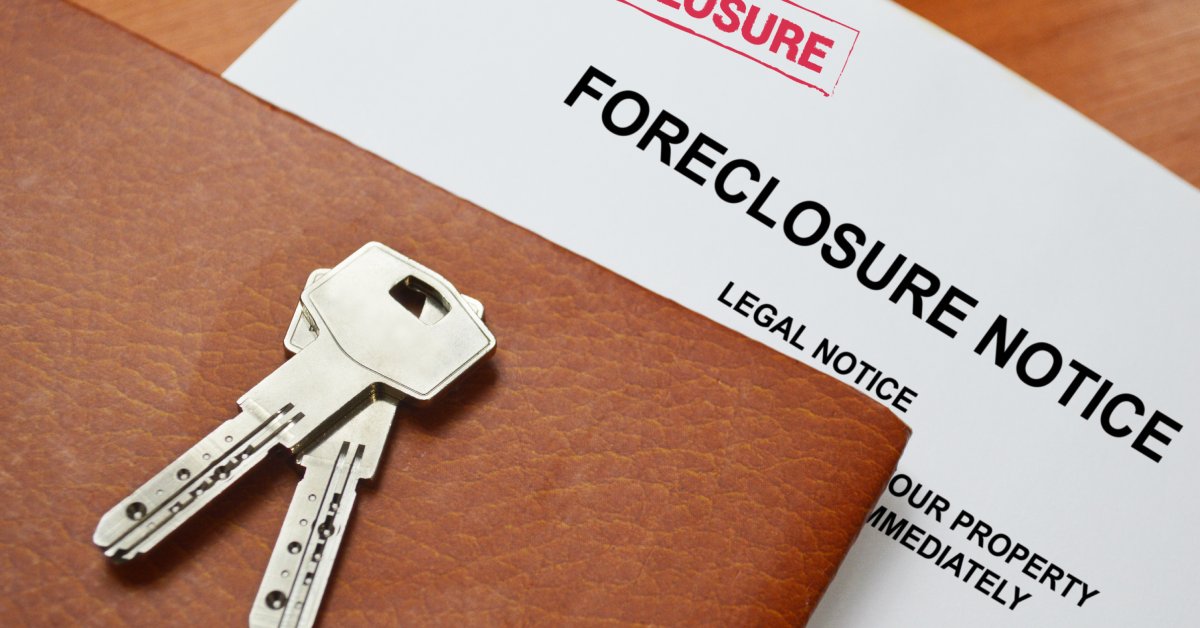
A Notice of Default is the first official step toward foreclosure in California. If one just arrived in your mailbox, your stomach probably dropped. Take a breath. A Notice of Default is not a sale date, and you have not lost your home. It starts a clock, and the choices you make in the next few weeks matter a lot. This guide explains what the notice means, the timeline that follows, and the realistic ways homeowners try to stop a notice of default from turning into a trustee sale.
Most California home loans are secured by a deed of trust, which lets the lender foreclose without going to court. That process is called a nonjudicial foreclosure, and the Notice of Default (often shortened to NOD) is the document that kicks it off.
What a Notice of Default Actually Means
A Notice of Default is a formal statement, recorded with your county recorder, that you are behind on your mortgage and that the lender (called the "beneficiary") has told the trustee to start the foreclosure process. California law requires the notice to open with a warning in capital letters: if your property is in foreclosure because you are behind in your payments, it may be sold without any court action.
The notice usually shows:
- The amount you are behind as of a certain date, which keeps growing as more payments come due.
- The name and phone number of the lender or servicer to contact to pay or work out an arrangement.
- The name of the trustee handling the foreclosure.
- A declaration from the servicer about whether it contacted you, or tried to, before recording the notice.
That last item matters. Under California Civil Code §2923.5, a servicer generally can't record a Notice of Default until 30 days after it has contacted you (or made diligent efforts to reach you) to talk about your finances and options for avoiding foreclosure. If you never heard from anyone, write that down.
A copy of the recorded NOD must also be mailed to you within 10 business days after it is recorded (Civil Code §2924b).
How You Got Here: The 120-Day Federal Rule
A Notice of Default usually doesn't show up after one missed payment. Federal mortgage servicing rules (Regulation X, 12 CFR §1024.41) generally bar a servicer from making the first foreclosure notice or filing until your loan is more than 120 days delinquent. So by the time you see an NOD, you are typically at least four months behind.
If you received an NOD before you were 120 days behind, or while you had a complete loss-mitigation application on file, that is worth raising right away. Our guide to missed payments before foreclosure in California walks through that earlier stage.
The Timeline After a Notice of Default
Here is the basic path a California nonjudicial foreclosure follows once the NOD is recorded:
1. The three-month waiting period
At least three months must pass after the Notice of Default is recorded before the trustee can move to the next step (Civil Code §2924). The notice itself says no sale date may be set until approximately 90 days after it is recorded. This is your most valuable window. You have the most options and the most time during these three months.
2. The Notice of Trustee Sale
If the default isn't cured, the trustee can issue a Notice of Trustee Sale. It must be posted on the property, published in a newspaper, recorded and mailed to you at least 20 days before the sale date (Civil Code §§2924b and 2924f). This notice names a specific date, time and place for the auction.
3. The trustee sale
On the sale date, the property is auctioned, often on the steps of a county courthouse or another public location. Sales can be postponed, and many are. For more, see how to stop or postpone a trustee sale in California.
Put together, the fastest a California foreclosure typically moves from NOD to sale is roughly three months plus 20-some days. In practice it often takes longer, but you should never count on delays.

Your Right to Reinstate the Loan
California gives you a legal right to reinstate your loan, meaning you catch up on the missed payments plus allowable fees and costs, and the loan goes back to normal as if the default never happened. You do not have to pay off the whole loan to reinstate.
Under Civil Code §2924c, the right to reinstate generally lasts until five business days before the scheduled sale date. If the sale is postponed, the right can come back until five business days before the new date. After that cutoff, the lender can demand the full loan balance.
Ask the servicer for a written reinstatement quote early. The number grows every month, and the fees can add up. Our article on reinstatement vs. redemption deadlines explains the difference between catching up and paying off.
How to Stop a Notice of Default From Becoming a Sale
There is no single magic step to stop a notice of default. What works depends on your income, how far behind you are, how much equity you have and what you want: to keep the house or to leave on your own terms. Common paths include:
Catch up (reinstate)
If you can raise the past-due amount, through savings, family help, a tax refund or a retirement account withdrawal (ask a tax professional first), reinstatement ends the foreclosure.
Apply for a loan modification or other help
A loan modification changes the terms of your loan to make payments affordable. Other options include forbearance or a repayment plan. California's Homeowner Bill of Rights limits "dual tracking." If you submit a complete first-lien loan modification application, the servicer generally can't record a Notice of Sale or hold a sale while the application is pending, and if you're denied, you get at least 30 days to appeal (Civil Code §2923.6). These protections apply to owner-occupied homes of one to four units that are your principal residence, and some smaller lenders are treated differently.
The key word is complete. Send every document the servicer asks for, keep copies and get written confirmation of what they received.
Sell the house before the sale
If you have equity, selling on the open market can pay off the loan and put the rest in your pocket, instead of risking an auction. If you owe more than the house is worth, the lender may agree to a short sale. See selling your house fast to stop foreclosure.
Other options
A deed in lieu of foreclosure, a refinance, or (for some homeowners) bankruptcy may also come into play. Bankruptcy has serious long-term consequences and is a decision to make with a qualified professional. Our main stop foreclosure guide covers these in more detail.
What Not to Do After a Notice of Default
- Don't ignore your mail. Every letter from your servicer or trustee may carry a deadline.
- Don't sign over your deed to anyone who promises to "save" your home. Foreclosure rescue scams often target homeowners right after an NOD is recorded, because the notice is public record.
- Don't pay upfront fees for a loan modification. California law (Civil Code §2944.7) generally bars collecting fees for loan modification services before those services are fully performed. Free help is available from HUD-approved housing counselors.
- Don't wait for the Notice of Trustee Sale to start. By then, you may have as little as 20 days.
If You Rent Out the Property
If tenants live in the home, they have their own protections when a property is foreclosed, including, in many cases, at least 90 days' notice before they can be required to leave. Our article on the 90-day notice after foreclosure explains the basics.
Frequently Asked Questions
How long after a Notice of Default is the house sold in California?
At least three months must pass after the NOD is recorded before the trustee can issue a Notice of Trustee Sale, and that notice must be given at least 20 days before the sale. So the earliest a sale typically happens is a little under four months after the NOD. Many sales are postponed and take longer.
Can I stop a notice of default by paying what I owe?
Yes. California law lets you reinstate the loan by paying the past-due amount plus allowable fees and costs, generally up to five business days before the scheduled sale date. Ask your servicer for a written reinstatement quote.
Does a Notice of Default mean I have to move out?
No. A Notice of Default does not require you to leave. You still own the home and can keep living there while you work on options. Only after a completed trustee sale, and a separate legal process, could you be required to move.
Will applying for a loan modification stop the foreclosure?
It can pause it. If your home is an owner-occupied principal residence of one to four units and you submit a complete first-lien loan modification application, California law generally prevents the servicer from recording a Notice of Sale or holding a sale while the application is pending. The application must be complete, so follow up in writing.
Is a Notice of Default public record?
Yes. It is recorded with the county recorder, which is why many homeowners suddenly get letters and calls from investors and "rescue" companies. Be cautious, and never sign over your deed or pay large upfront fees to a stranger.
Eviction Defender is not a law firm and does not provide legal advice. This article is general information about California law as of 2026.
Don't Let the Three-Month Window Slip Away
The time right after a Notice of Default is when you have the most options. Eviction Defender helps California homeowners understand their notices, organize documents and plan next steps. Tell us what you received and get a free case review. Call (818) 307-1308.
When You Choose Our Services, It Matters More Than You May Know
There was a time when my family and I faced eviction.
We did not have the resources, information, or understanding we needed at the time. We were confused, anxious, and worried about how I was going to take care of my family. I felt powerless standing against a landlord and their attorney because I simply did not know what I needed to know.
That experience stayed with me.
Later in life, I was blessed with the opportunity to come full circle—to learn, research, understand, and obtain the information I once desperately needed. What I went through became more than just a difficult chapter in my life. It became a purpose.
Today, when someone comes to us facing an eviction, foreclosure, landlord-tenant dispute, or another serious matter, I don’t look at their paperwork as just another file.
I understand that there is a person and a family behind those papers.
When I hold your paperwork in my hands, I remind myself that you are trusting me with something incredibly important. In a very real sense, I am holding a representation of your life in my hands.
That responsibility matters to me.
Our clients have shared their experiences through Yelp and Google reviews, telling us that our services helped them when they were facing difficult and uncertain circumstances. While every situation is different and no outcome can ever be guaranteed, those words mean a great deal to us because they remind us why we do what we do.
You deserve information.
You deserve to understand your situation.
You deserve to know what options may be available to you.
And you deserve to be treated with dignity and compassion.
When you choose our services, you’re not just choosing someone to look at paperwork.
You’re choosing someone who understands what it feels like to be on the other side of that paperwork.
Because I’ve been there. And that’s why your situation matters to me.