
Foreclosure Surplus Funds: How to Claim Them in California
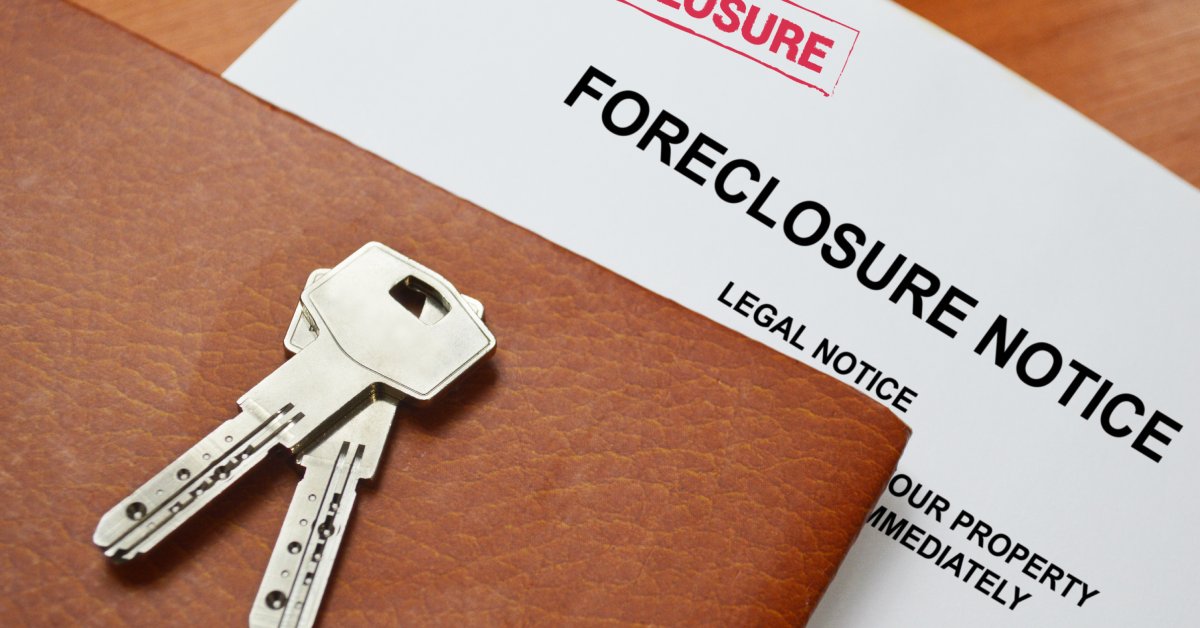
Losing a home at a trustee sale does not always mean losing everything. If the winning bid was higher than what you owed, the extra money, called foreclosure surplus funds (or surplus proceeds, or excess proceeds), may belong to you. In California, the trustee holds that money and must notify people who may have a claim. But notices go to old addresses, deadlines are short, and strangers often reach you first with offers to "recover" the money for a large cut.
This guide explains how foreclosure surplus funds work in California, how to find the records on your sale, how to file a claim yourself and how to avoid surplus recovery scams.
What Are Foreclosure Surplus Funds in California?
At a nonjudicial trustee sale, the trustee auctions the property and pays out the sale money in a set order under Civil Code §2924k:
- The trustee's costs and expenses of conducting the sale.
- The debt owed to the lender that foreclosed.
- Junior liens and encumbrances, such as a second mortgage or HOA lien, in order of priority.
- Whatever is left, to the former owner (the "trustor") or their successor.
That last category is the surplus. It exists only when the bid is high enough to cover everything ahead of you. Homes with meaningful equity are the most likely to produce a surplus. California law (as amended by AB 2424, effective 2025) also generally keeps a trustee from selling a one-to-four unit home at the first scheduled auction for less than 67% of a recent fair market value estimate, which can help protect owners' equity.
Keep in mind that junior lienholders get paid before you. A large surplus can shrink quickly once a second mortgage, HOA or judgment lien is paid.
How the Surplus Claim Process Works (Civil Code §2924j)
Step 1: The trustee sends a notice
If there is money left after the trustee's costs and the foreclosing loan are paid, the trustee must mail a notice within 30 days after the trustee's deed is executed. It goes by first-class mail to people who had a recorded interest in the property right before the sale. The notice tells you the sale happened, that you may have a claim and how to contact the trustee.
Step 2: You submit a written claim within 30 days
Your claim must be in writing and signed under penalty of perjury. It states the amount you claim, with an itemized breakdown, and it must reach the trustee within 30 days after the trustee sends the notice. That deadline runs from when the notice is sent, not when you find it, so check your mail and your old address carefully.
Include proof of identity and ownership, such as a copy of your ID and your grant deed, plus your current mailing address. If the former owner has died, heirs or the estate usually need probate or other documents showing their right to the money.
Step 3: The trustee pays or sends the money to court
If no one disputes priority, the trustee must pay within 30 days after the claim period ends. If there are competing claims (for example, a junior lienholder and the former owner disagree), the trustee has 90 days after the claim period to decide. If it can't, it must within 10 days either deposit the money with the superior court clerk in the county where the property is located or file an interpleader lawsuit.
Step 4: If the money is deposited with the court
Before depositing, the trustee must mail a notice saying claims must be filed with the court within 30 days and giving the court's address. The court then holds a hearing, generally within 90 days after the deposit, and considers claims filed at least 15 days before the hearing. The judge decides who gets paid. Ask the court clerk what claim form or paperwork the court expects.
A note on post-sale bidding windows
Under California's post-foreclosure bidding law (Civil Code §2924m, from SB 1079 and later amendments), some trustee sales of one-to-four unit homes don't become final on auction day. Eligible tenant buyers and certain other bidders may get a short window to submit bids after the sale. That can change the final sale price and delay the surplus notice, so don't assume the auction-day bid is the final number.

How to Find Foreclosure Surplus Records
If you never got a notice, or you aren't sure whether there was a surplus, these records can help:
- Your Notice of Trustee Sale. It names the trustee and gives the estimated amount owed. Compare that to the sale price.
- The Trustee's Deed Upon Sale. This is recorded with the county recorder after the sale. It typically shows who bought the property and often lists the unpaid debt and the amount the buyer paid. You can request a copy from the recorder's office in the county where the home is located.
- The trustee company. Call or write the trustee named on your notices. Ask whether there was a surplus, how much, whether any claims were filed and where the money is now.
- Superior court records. If the trustee deposited the money with the court, there will be a court file in the county of sale. These cases are often listed under the property address. The clerk's office or the court's online case index can help you find it.
- The State Controller. Surplus money a trustee holds and doesn't have to deposit with the court may eventually be turned over under California's Unclaimed Property Law. You can search the State Controller's unclaimed property database for free.
Property tax sales are a different process. If the county sold your home for unpaid property taxes, excess proceeds are claimed from the county Treasurer-Tax Collector, and the claim generally must be filed within one year after the tax deed is recorded (Revenue and Taxation Code §4675).
Surplus Recovery Scams and How to Avoid Them
Surplus records are public, so companies watch trustee sales and contact former owners quickly. Some ask you to sign over a large share of your money, or to assign your entire claim to them. You do not have to hire anyone to file a claim with the trustee or the court.
California law gives you real protection here. The foreclosure consultant law (Civil Code §2945 and following) covers people who offer to help owners get the remaining proceeds from a foreclosure sale of their residence. Under Civil Code §2945.4, a foreclosure consultant generally may not enter into an agreement to help you collect surplus from a trustee sale, including by taking an assignment of your claim, a deed or a power of attorney. Attorneys representing you are treated differently.
Warning signs:
- A stranger who knows the exact surplus amount and pressures you to sign today.
- A contract giving away a percentage of your money, or assigning your claim or rights in the property.
- Requests to sign a power of attorney or a deed.
- Upfront fees, or instructions to have the trustee send your money to someone else.
- Claims that you "can't do this yourself" or that the deadline has already passed.
If the money has already gone to the State Controller, investigator fees for recovering it are capped at 10% by law, and you can file directly for free.
Before the Sale: Protect Your Equity
If your sale hasn't happened yet, a surplus claim is a fallback, not a plan. Selling before the auction usually returns more of your equity. Read how to sell your house fast to stop foreclosure, learn how to stop a trustee sale in California, and compare reinstatement and redemption. If you're still in the home after the sale, a cash for keys offer may also be on the table. More options are on our stop foreclosure page.
Frequently Asked Questions
How do I know if there are surplus funds from my foreclosure?
Check your mail for a notice from the trustee, which must be sent within 30 days after the trustee's deed is executed. You can also compare the sale price on the recorded Trustee's Deed Upon Sale to what you owed, and call the trustee directly.
How long do I have to claim foreclosure surplus funds in California?
Your written claim must reach the trustee within 30 days after the trustee sends its notice. If the money is later deposited with the court, the trustee's notice gives a 30-day window to file a claim with the court.
Do I need to pay a company to claim my surplus funds?
No. You can submit a claim to the trustee or the court yourself. California's foreclosure consultant law generally bars consultants from contracting to collect trustee sale surplus for homeowners.
Who gets paid before the former homeowner?
The trustee's costs, the foreclosing lender, and then junior liens such as second mortgages or HOA liens, in order of priority. The former owner receives what remains.
What if I missed the trustee's deadline?
Contact the trustee right away to find out where the money is. It may still be held by the trustee, deposited with the superior court or eventually turned over to the State Controller as unclaimed property.
Is a tax sale surplus the same as a foreclosure surplus?
No. Excess proceeds from a county property tax sale are claimed from the county Treasurer-Tax Collector, generally within one year after the tax deed is recorded.
Eviction Defender is not a law firm and does not provide legal advice. This article is general information about California law as of 2026.
Trustee Sale Coming Up?
The best way to protect your equity is to act before the auction. We help California homeowners understand their foreclosure notices, organize their documents and plan next steps while there is still time. Call for a free case review at (818) 307-1308.
When You Choose Our Services, It Matters More Than You May Know
There was a time when my family and I faced eviction.
We did not have the resources, information, or understanding we needed at the time. We were confused, anxious, and worried about how I was going to take care of my family. I felt powerless standing against a landlord and their attorney because I simply did not know what I needed to know.
That experience stayed with me.
Later in life, I was blessed with the opportunity to come full circle—to learn, research, understand, and obtain the information I once desperately needed. What I went through became more than just a difficult chapter in my life. It became a purpose.
Today, when someone comes to us facing an eviction, foreclosure, landlord-tenant dispute, or another serious matter, I don’t look at their paperwork as just another file.
I understand that there is a person and a family behind those papers.
When I hold your paperwork in my hands, I remind myself that you are trusting me with something incredibly important. In a very real sense, I am holding a representation of your life in my hands.
That responsibility matters to me.
Our clients have shared their experiences through Yelp and Google reviews, telling us that our services helped them when they were facing difficult and uncertain circumstances. While every situation is different and no outcome can ever be guaranteed, those words mean a great deal to us because they remind us why we do what we do.
You deserve information.
You deserve to understand your situation.
You deserve to know what options may be available to you.
And you deserve to be treated with dignity and compassion.
When you choose our services, you’re not just choosing someone to look at paperwork.
You’re choosing someone who understands what it feels like to be on the other side of that paperwork.
Because I’ve been there. And that’s why your situation matters to me.