
Reinstatement vs Redemption: Deadlines Before a Trustee Sale

Many homeowners search for the "redemption period" for foreclosure in California, expecting to have months after the sale to buy the house back. In the usual California foreclosure, that period doesn't exist. Once a nonjudicial trustee sale is complete, there is no right to redeem. What you do have are two rights that work before the sale: reinstatement and redemption. This article explains both, the deadlines for each, and why the difference matters so much.
The Short Answer
- Reinstatement means paying only what you're behind, plus allowable fees and costs. It's generally available until five business days before the sale (Civil Code §2924c).
- Redemption means paying off the entire loan balance. In a nonjudicial foreclosure, you can do this up until the sale happens.
- After a nonjudicial trustee sale: no redemption period. The home is gone unless the sale is undone for a legal defect.
- Post-sale redemption periods exist only in certain judicial foreclosures, which are uncommon for California homes.
Reinstatement: Catching Up on What You Owe
Reinstatement is your right to cure the default. Under Civil Code §2924c, you pay the amount actually in default, which includes missed principal and interest, plus things like taxes, insurance or advances the lender paid, and permitted costs and fees. You do not have to pay principal that wouldn't be due yet if you hadn't fallen behind. Once you reinstate, the foreclosure stops and the loan continues as if the default never happened.
The reinstatement deadline
You can reinstate any time after the Notice of Default is recorded, up to five business days before the scheduled sale date. The Notice of Default itself tells you this, saying the time permitted by law for reinstatement is "normally five business days prior to the date set for the sale."
Business days exclude weekends and holidays. If your sale is set for a Tuesday, five business days earlier usually falls on the prior Tuesday, and a holiday in between pushes it back further. Count carefully and aim to pay well before the deadline.
When the right comes back
If the sale doesn't happen on the date in the original Notice of Sale, for example because it's postponed, the reinstatement right generally revives and runs until five business days before the new sale date. Always confirm the current sale date with the trustee.
How to get the number
Ask your servicer in writing for a reinstatement quote good through a specific date. Fees and interest keep adding up, so get a fresh quote close to when you'll pay, and ask exactly how funds must be sent (usually certified funds or a wire).
Redemption: Paying Off the Whole Loan Before the Sale
After the reinstatement window closes, the lender can refuse a catch-up payment and demand the full balance. California law still lets someone with an interest in the property redeem it by paying the debt before their right is foreclosed. In a nonjudicial foreclosure, that right ends when the auction is completed.
Most homeowners don't have the full payoff in cash. Redemption usually happens through:
- A refinance with a new lender, which is hard but not impossible during foreclosure.
- Selling the home, where the buyer's money pays off the loan at closing. See selling your house fast to stop foreclosure.
- Family or private funds, with clear written terms.
Request a written payoff statement, which is different from a reinstatement quote. The payoff covers the whole loan balance plus interest and fees through a certain date.
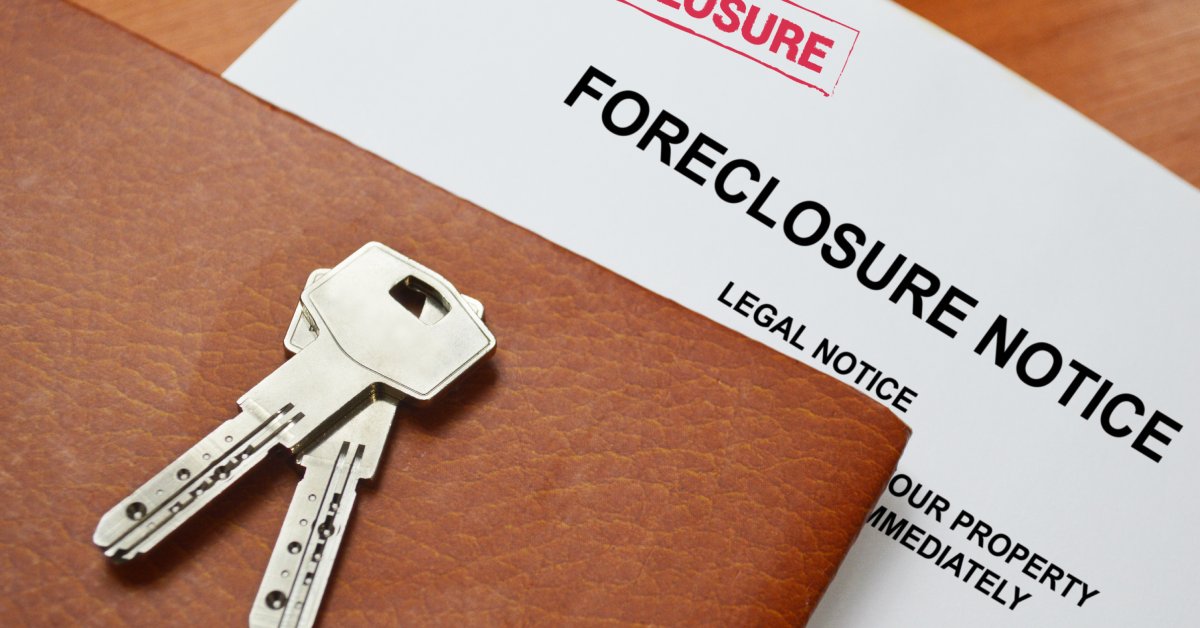
Is There a Redemption Period After Foreclosure in California?
This is where a lot of online information goes wrong, so here it is plainly.
Nonjudicial foreclosure (most California homes)
Most California mortgages use a deed of trust with a "power of sale," which lets the trustee sell the home without a court case. After a nonjudicial trustee sale, the former owner has no right of redemption. You can't pay the amount later and get the house back. That's why every deadline in this article is before the auction.
One nuance: for one-to-four-unit homes, some trustee sales aren't final immediately. Under SB 1079 and later laws (Civil Code §2924m), tenants and certain "eligible bidders," such as owner-occupant buyers, nonprofits and government entities, can get up to 15 or 45 days after the sale to make an offer. That waiting period gives those bidders a chance to buy. It does not give the former owner a right to redeem.
Judicial foreclosure (less common)
A lender can also foreclose by filing a lawsuit. When the court's judgment says a deficiency judgment may be ordered against the borrower, the property is sold subject to a right of redemption (Code of Civil Procedure §729.010). The redemption period is three months after the sale if the sale brought in enough to cover the debt, interest and costs, or one year if it didn't (CCP §729.030). If you're in a court case, the paperwork will say so. A recorded Notice of Default and Notice of Trustee Sale mean you're in the nonjudicial process.
Reinstatement vs Redemption at a Glance
- What you pay: Reinstatement covers past-due amounts plus fees. Redemption covers the full loan balance.
- Deadline: Reinstatement runs until five business days before the sale (and can revive if the sale is postponed). Redemption runs until the sale is completed.
- What happens to the loan: After reinstatement, the loan continues. After redemption, the loan is paid off.
- Typical source of money: For reinstatement, savings, family help or a lump sum. For redemption, a refinance or a sale of the home.
Other Options If You Can't Reinstate or Redeem
If neither works, you may still have choices before the auction: a complete loan modification application can pause the sale under California and federal rules, the lender may agree to a postponement, or a short sale or deed in lieu may let you leave on better terms. Our guide on how to stop or postpone a trustee sale covers each one. If the sale does go through and brings in more than what was owed, look into foreclosure surplus funds. You don't need to pay a finder to claim them. Start at our stop foreclosure hub for the full picture.
Frequently Asked Questions
What is the redemption period for foreclosure in California?
For the usual nonjudicial trustee sale, there is no redemption period after the sale. You can redeem by paying off the full loan only before the sale is completed. Post-sale redemption periods of three months or one year apply only in certain judicial foreclosures.
What is the last day I can reinstate my mortgage in California?
Generally, five business days before the scheduled sale date. If the sale is postponed, the right to reinstate usually comes back until five business days before the new sale date. Confirm the current date with the trustee.
What's the difference between a reinstatement quote and a payoff quote?
A reinstatement quote shows what you need to catch up: missed payments plus allowable fees and costs. A payoff quote shows the full amount needed to pay off the loan completely. Ask your servicer for both in writing.
Can the lender refuse my payment after the reinstatement deadline?
Yes. Once you're inside the final five business days before the sale, the lender generally doesn't have to accept a catch-up payment and can require the full payoff. It may still agree to accept less or postpone the sale, but that's up to the lender.
Does SB 1079 let me buy my house back after the sale?
No. SB 1079 and related laws give tenants and certain eligible bidders a short window after some trustee sales to make offers. The former owner who was foreclosed on is not an eligible bidder and does not get a right to redeem.
Eviction Defender is not a law firm and does not provide legal advice. This article is general information about California law as of 2026.
Know Your Deadline Before It Passes
The difference between catching up and paying off everything can be a matter of days. Eviction Defender helps California homeowners understand their foreclosure timeline and prepare the paperwork for their next step. Call (818) 307-1308.
When You Choose Our Services, It Matters More Than You May Know
There was a time when my family and I faced eviction.
We did not have the resources, information, or understanding we needed at the time. We were confused, anxious, and worried about how I was going to take care of my family. I felt powerless standing against a landlord and their attorney because I simply did not know what I needed to know.
That experience stayed with me.
Later in life, I was blessed with the opportunity to come full circle—to learn, research, understand, and obtain the information I once desperately needed. What I went through became more than just a difficult chapter in my life. It became a purpose.
Today, when someone comes to us facing an eviction, foreclosure, landlord-tenant dispute, or another serious matter, I don’t look at their paperwork as just another file.
I understand that there is a person and a family behind those papers.
When I hold your paperwork in my hands, I remind myself that you are trusting me with something incredibly important. In a very real sense, I am holding a representation of your life in my hands.
That responsibility matters to me.
Our clients have shared their experiences through Yelp and Google reviews, telling us that our services helped them when they were facing difficult and uncertain circumstances. While every situation is different and no outcome can ever be guaranteed, those words mean a great deal to us because they remind us why we do what we do.
You deserve information.
You deserve to understand your situation.
You deserve to know what options may be available to you.
And you deserve to be treated with dignity and compassion.
When you choose our services, you’re not just choosing someone to look at paperwork.
You’re choosing someone who understands what it feels like to be on the other side of that paperwork.
Because I’ve been there. And that’s why your situation matters to me.